A New Exhibit Preserves the Past in Bristol
This Bristol exhibit tells the story of the town's immigrants through the keepsakes of its residents.

A traditional Italian dress hand-sewn for the exhibit by Patricia Hasapidis. Photography courtesy of Lisa Deesare, Curator at the Bristol Historical & Preservation Society
For a museum curator, putting together a new exhibit usually means a trip to the archives. When Lisa DeCesare, curator at the Bristol Historical & Preservation Society, began putting together a new exhibit on immigration, the archives at BHPS yielded nothing — which, for a community-curated exhibit, was the perfect place to start.

Fabre Line materials loaned by Patrick Conley. Photography courtesy of Lisa DeCesare, Curator at the Bristol Historical & Preservation Society
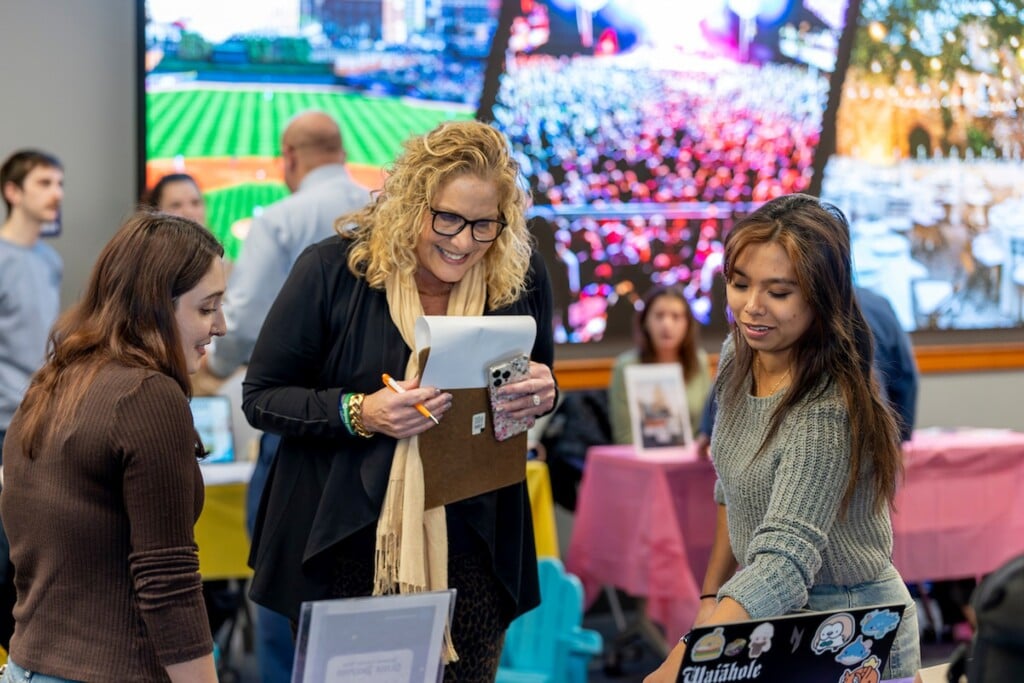
Running through February 2027, “Bristol Immigration 1850–1940: A Complex and Beautiful Tapestry” tells the story of Bristol immigration by way of items on loan from Bristolians — in the form of a photo album, Grandma’s glass candy bowl, mom’s wedding ring or an ancestor’s prayer book brought from their home country. Blow-ups of the works of Ellis Island photographers Augustus Sherman and Lewis Wickes Hine decorate the museum walls, giving faces to the newcomers’ stories.
Due to the reliance on community engagement, the exhibit is ever-expanding. Neighbors talk to neighbors, and suddenly heirlooms kept in the attic have a story worth sharing — one of relocation as survival, upheaval for the sake of a better future, and of somehow making a new country (and, in many cases, continent) feel like home.
“It’s not a static thing,” says Chelsea Johnston, program coordinator at BHPS. The objects in the exhibit, stationary as they may be within their glass cases, “are leading to conversation and engagement and storytelling.” With each new item comes a community member eager to share the stories they’ve inherited.
Beginning in the latter half of the nineteenth century, emigres were drawn to Bristol for its unskilled labor opportunities at various textile mills as well as skilled labor at the Herreshoff Manufacturing Company, where sailing yachts and other vessels were built and repaired.
Like in many other regions of the state, the predominant immigrant groups in Bristol were Italian and Portuguese. Much of Rhode Island’s identity today can be traced to its southern European heritage, with the years the exhibit covers serving as a pivotal point.
Concurrent programming has engaged the community outside of the museum walls, including craft events at the library, a performance of historical music and an event on bird migration.

Children at the 1967 Bristol Portuguese Holy Ghost Feast. Photography courtesy of Lisa DeCesare, Curator at the Bristol Historical & Preservation Society
“So you’re seeing it again,” DeCesare explains. “This isn’t just a story about people moving from one place to another. It’s a story about how things change.”
With each new installment, the theme expands. That’s as much formed by the community as it is for the community. The exhibit challenges the barriers that typically dictate how history is told and by whom. Sometimes, a photo album is the only credential you need.
“I find the beauty of doing this is that we’re teaching people, but people are teaching us,” says DeCesare.
Though it isn’t the first community-curated exhibit the society has done, the engagement with this exhibit exceeds anything seen before. For community members, the chance to view their town through the lens of the past can revitalize their appreciation for the places they’ve grown accustomed to.
Even Catherine Zipf, executive director of BHPS and a Bristol resident, says that since opening the exhibit, her relationship to the history she already knew has changed.
“It’s like the color of the history has become more vibrant,” she says.
There’s no telling what direction the community will take the topic by the time the exhibit ends in February. After all, in DeCesare’s words, it’s about how things change.

Glass candy bowls, photo albums, prayer books and other family keepsakes. Photography courtesy of Lisa DeCesare, Curator at the Bristol Historical & Preservation Society